Physical Address
304 North Cardinal St.
Dorchester Center, MA 02124
Physical Address
304 North Cardinal St.
Dorchester Center, MA 02124

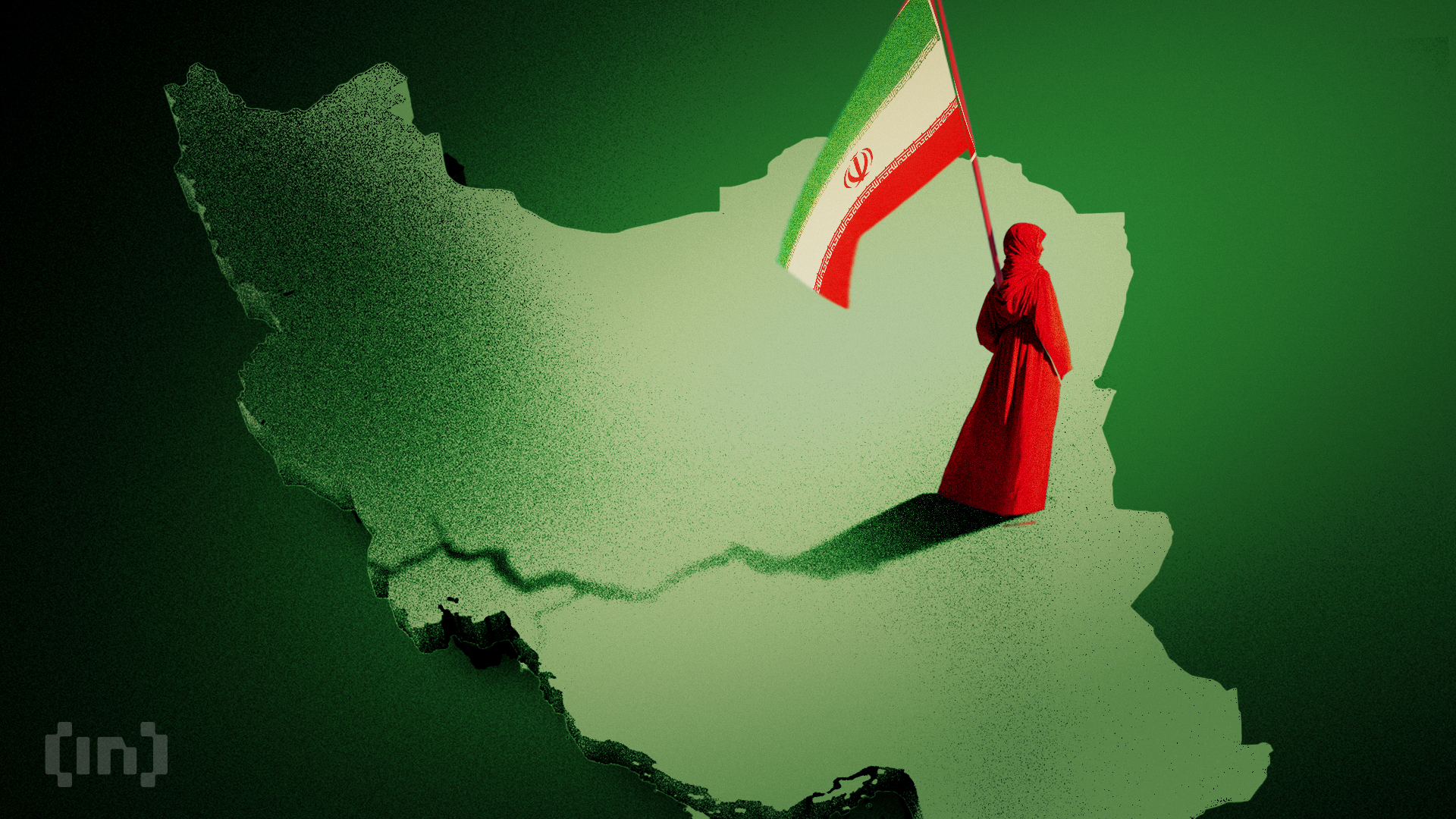
The virtual closure of the Strait of Hormuz following the US-Israeli attacks on Iran has led to an unprecedented energy supply crisis, with the economies of Asia bearing the brunt as the movement of oil tankers through the world’s most important oil chokepoint has been halted.
Japan and South Korea face the greatest risks, as both countries rely heavily on fossil fuel imports crossing the strait.
The cost of chartering a supertanker to transport oil from the Middle East to China rose to a record high of more than $423,000 per day on Monday, double compared to Friday’s prices, LSEG data showed. Iran’s Revolutionary Guard announced that the strait was closed and threatened to fire on any ship that attempted to cross.
This unrest comes after the assassination of Iran’s supreme leader Ayatollah Khamenei in Joint attacks by the United States and Israel on SaturdayThis prompted Tehran to launch retaliatory attacks in several Gulf countries. At least four ships have been targeted in Gulf waters, and major shipping and insurance companies have effectively withdrawn from this waterway.
Kpler confirmed that commercial operators withdrew after insurers withdrew from covering war risks, effectively closing the corridor. Only a limited number of Iranian- or Chinese-flagged ships – many of which operate outside Western insurance and classification systems – continue to transit the strait.
The US Energy Information Administration said that about 84% of crude oil and 83% of liquefied natural gas transiting the Strait in 2024 was destined for Asian markets. China, India, Japan and South Korea alone account for about 75% of the oil flows through this choke point.
Enter the report Zero Carbon Analytics Japan is the country most at risk with a risk score of 6.4, followed by South Korea with 5.3 and India with 4.9. Japan relies on imports for 87% of its total energy from fossil fuels, while South Korea relies on 81%.
Japan called a National Security Council meeting to assess the situation, while South Korea’s Prime Minister ordered an emergency government response across all institutions.
Both countries maintain huge oil reserves as a temporary means of protection. Japan’s public and private oil inventories cover the equivalent of about 254 days of domestic consumption, while South Korea holds more than 210 days’ supply.
But the IEA data showed that the situation of liquefied natural gas stocks is completely different. Japan has no underground gas storage, and the capacity of its storage stations only covers a little more than one month’s consumption, and South Korea faces a similar gas vulnerability. A prolonged closure of the strait could make gas shortages a more pressing threat than oil for both countries, given the role of biogas in electricity production.
Kpler Analytics adds that India faces the strongest immediate expected shock and is expected to move directly towards Russian crude, while China – which recently reduced its imports of Russian crude – is likely to abandon this approach if the conflict continues.
Brent crude settled at about $78 a barrel on Monday, about 9% from Friday’s close, and analysts’ forecasts varied sharply depending on the length of the disruption.
The blockade caused a double shock to supplies – existing exports were halted and OPEC’s spare capacity was blocked behind the blockade. Analysts’ estimates vary from the high range of $80 in the event of short-term disruptions to $100-120 per barrel if the standoff is prolonged, with risk premiums that could push prices well beyond model expectations.
Workaround options are limited. Together, the East-West Pipeline in Saudi Arabia and the Abu Dhabi Pipeline in the UAE offer about 3.5 million barrels per day of unused capacity — less than 20% of the full shutdown, according to Rystad. Releases from the IEA’s strategic reserve could help, but member states account for less than half of global oil demand.
With Iran declaring “all-out war” on Israel and the US, the crisis has highlighted the fragility of fossil fuel supply chains for Asian economies – and may accelerate the shift towards energy diversification.